Will AI replace building surveyors?
Posted 13 September 2026 By Easton Bevins
As AI continues to develop, the role of the surveyor becomes even more important. Buildings are complex, clients’ needs are varied, and professional judgement cannot be automated.
Since the release of ChatGPT in November 2022, Artificial intelligence has rapidly reshaped almost every professional discipline. Building surveying is no exception. Tools that can analyse documents, interpret thermal images or highlight recurring defects are becoming more common and they’re already helping surveyors work faster and more efficiently.
Despite what the headlines may say though, AI isn’t replacing surveyors. It’s still not at a point where it can walk through a property, understand context, manage sensitive conversations or take professional responsibility for complex decisions.
For this reason, at Easton Bevins – where developing the next generation of surveyors is a core part of our culture – the future of the profession remains firmly human.
What is AI doing in building surveying?
AI in building surveying isn’t about autonomous inspections or automated advice. It’s about supporting surveyors with tasks that traditionally take time behind the scenes.
For example, tools are emerging to help assist surveyors with:
- AI report writing: drafting initial instructions or summarising long documents
- Document analysis: reviewing leases, planning history or maintenance records
- Defect recognition: flagging patterns in photographs or historic reports
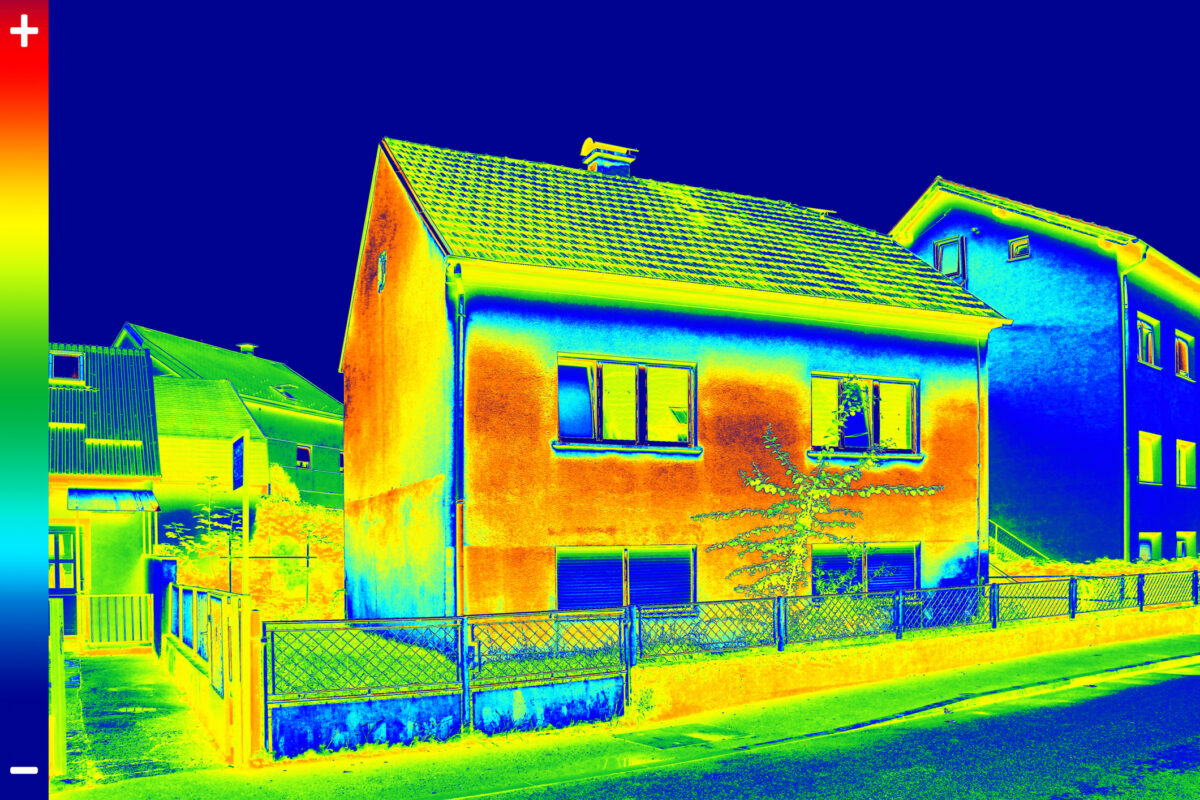
- Thermal image interpretation: highlighting areas of heat loss or moisture risk
- Maintenance planning: organising long-term data across large portfolios, and producing graphs and tables to visually summarise the surveyor’s advice
These tools help surveyors spend less time sorting information and more time interpreting it. They speed up the administrative side of surveying but crucially, they don’t replace the judgement required to understand what’s actually happening inside a building.
Why AI can’t replace professional judgement
It’s important that we don’t look at a building survey as just another technical exercise. It’s a blend of experience, context, communication and professional responsibility and one which people’s lives often depend on.
For instance, AI cannot:
- Walk through a property and understand how defects relate to each other
- Spot subtle signs of wear and tear, moisture or workmanship issues
- Navigate neighbour disputes, access challenges or sensitive conversations
- Assess risk in the context of a client’s plans
- Accept liability for professional advice
Two buildings can show identical symptoms but have entirely different underlying causes. Understanding those differences requires training, experience and the ability to interpret what you’re seeing. This is why AI will support surveyors, not replace them. It can point to patterns, but it cannot understand the story behind them.
The human side of surveying matters more than ever
Surveying is a people focused profession. Snagging inspections, neighbour boundary issues, negotiations with contractors, discussions with homeowners, these are all situations where empathy, communication and judgement matter just as much as technical expertise. This is something that AI simply cannot replicate.
At Easton Bevins, we see this every day. Our team continues to grow, with junior surveyors developing their skills, gaining qualifications and learning directly from experienced colleagues. Recently, three of our surveyors achieved new professional milestones, a reminder that the future of the profession depends on people, not algorithms.
Supporting and investing in surveyors is how the industry continues to evolve. AI may change how information is processed, but it’s surveyors who interpret it, explain it and turn it into meaningful advice.
Better tools mean better surveys
The real opportunity is collaboration. AI can streamline reporting, organise data and highlight patterns that deserve closer inspection. Surveyors can then use that information to deliver clearer, more detailed and more proactive advice.
For clients, this means:
- More consistent reporting
- Better‑organised documentation
- Faster turnaround times
- More data‑driven maintenance planning
- Clearer insight into long‑term risks
AI enhances the value of a survey but only when paired with the expertise of a qualified professional.
The future of surveying is human, augmented by technology
As AI continues to develop, the role of the surveyor becomes even more important. Buildings are complex, clients’ needs are varied, and professional judgement cannot be automated.
At Easton Bevins, we welcome tools that help us work more efficiently but our commitment remains the same: experienced surveyors, clear advice, and a team that continues to grow through training, mentoring and professional development.
AI will change building surveying no doubt, but it’s the surveyors who will continue to shape its future.
To learn more, contact us on 0117 942 8776 or email info@eastonbevins.co.uk.
Back to news